Kindergarten

More from
KINDERGARTEN AT 
OPEN WINDOW 


Kindergarten at Open Window is a place where children learn how to be learners. It’s where curiosity is nurtured, friendships take shape, and students discover what it means to be part of a caring community.
 

Often called “learning school,” kindergarten is where students build the habits, mindsets, and skills that set the tone for everything to come. They explore big ideas, express themselves in new ways, and grow in confidence, creativity, and care. 
 

Apply Now


DESIGNED FOR BRIGHT, COMPLEX THINKERS 

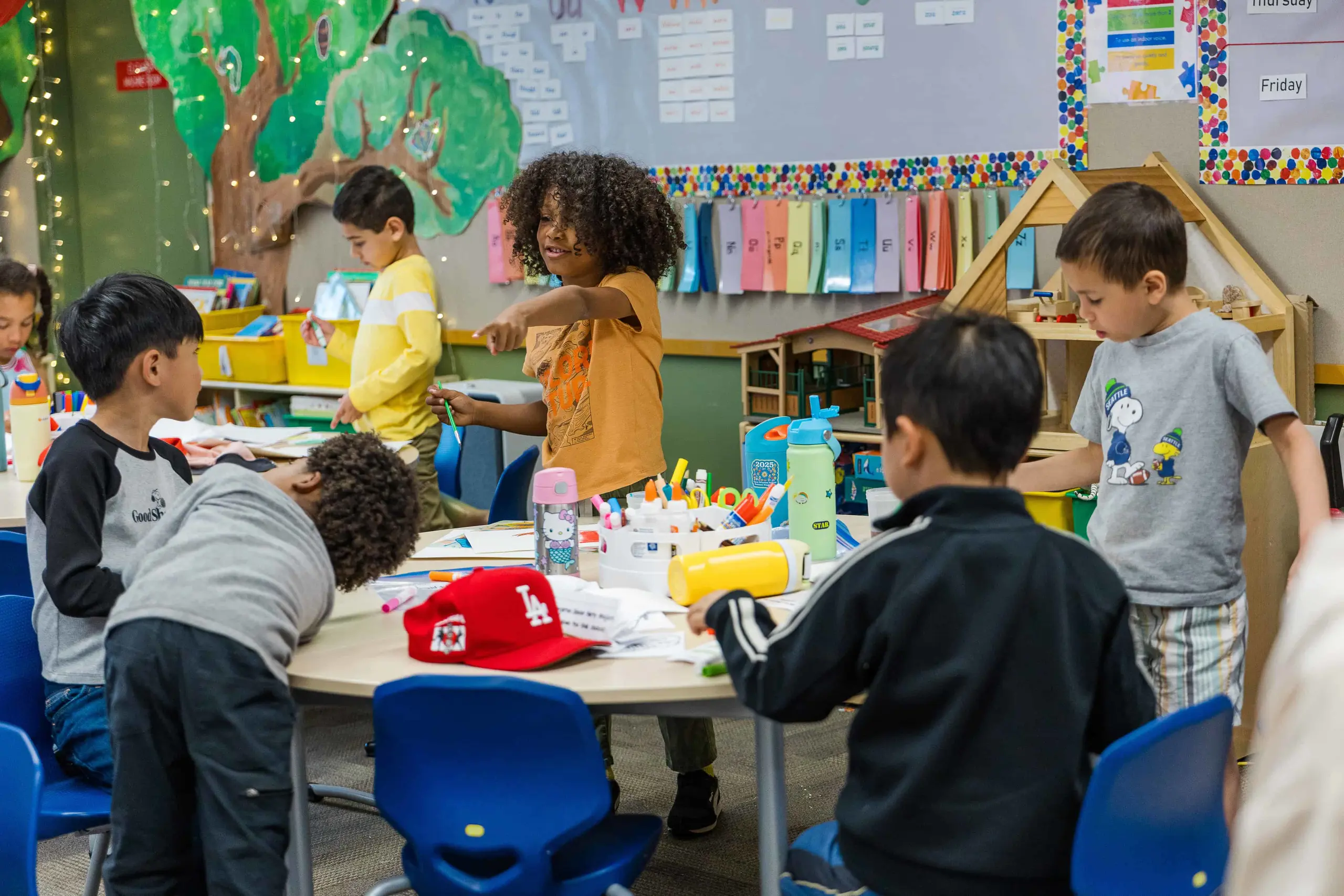
Our program is intentionally created for gifted learners. With two educators in every classroom, kindergarteners experience a high level of personal connection and support. Instruction is paced to reflect students’ readiness, often one year accelerated, and attuned to where each child is developmentally. 
 

Through hands-on activities in reading, writing, and math, students develop strong foundational skills. They’re encouraged to ask questions, take risks, and delight in discovery, whether they’re beginning to read or tackling multi-step math challenges. 

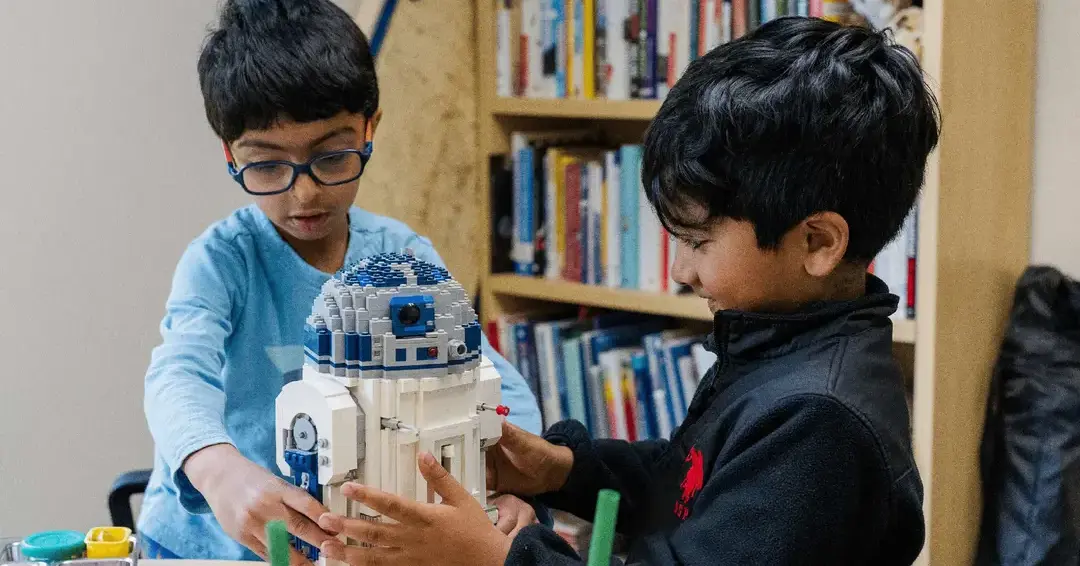
Students working on group project


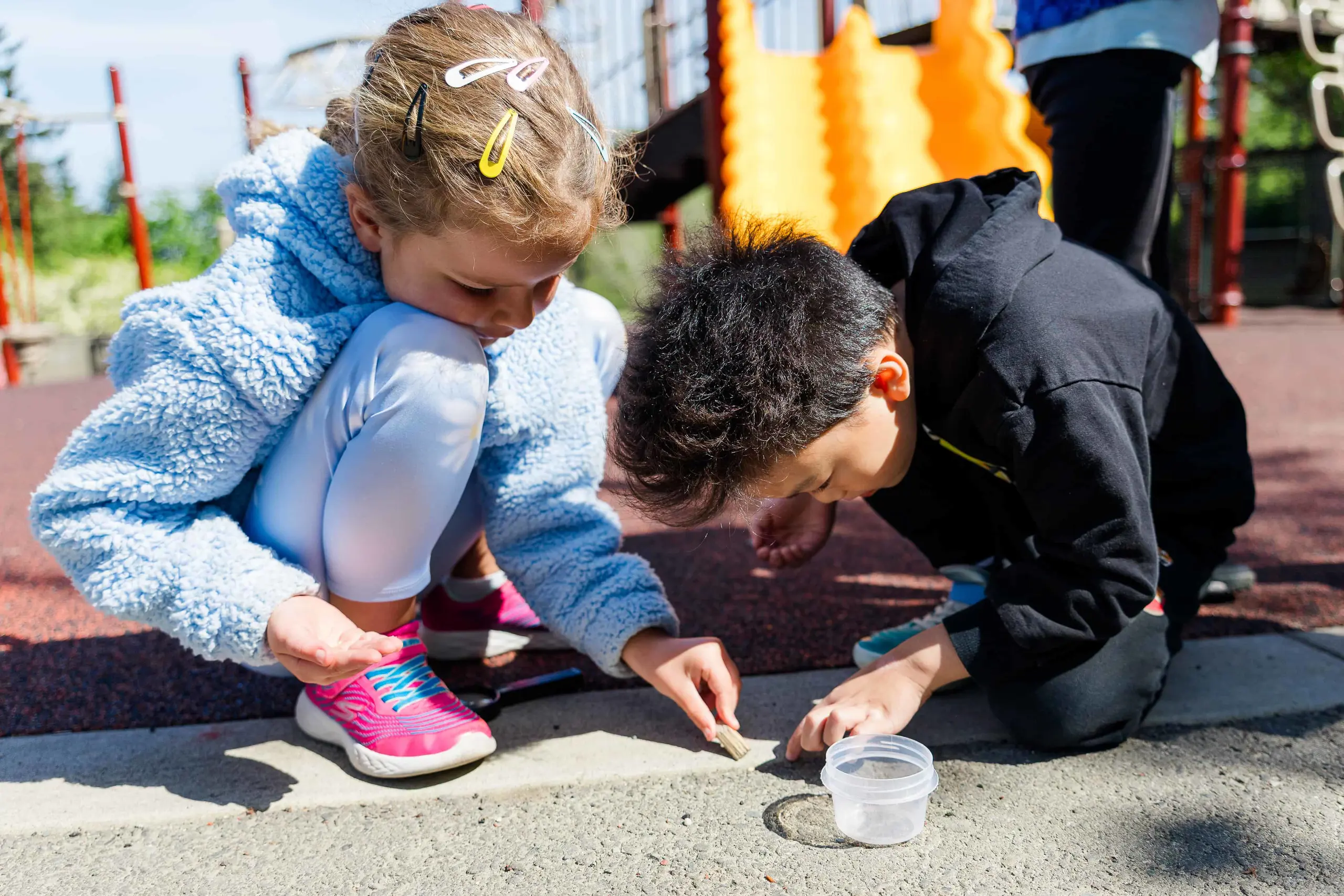
Students exploring the outdoors


CHOICE, PLAY, AND FRESH AIR 

Unstructured play is a key part of the kindergarten day. During “choice time,” students follow their interests, engage in creative play, and develop important social and problem-solving skills. These moments are child-directed and full of possibility. 
 

Time outdoors is equally important. Fresh air, movement, and large motor play are part of the daily rhythm, offering space for students to move their bodies, observe nature, and recharge. 


VIEW THE LOWER SCHOOL (K-4) CIRRICULUM 

Kindergarteners participate in a full range of subjects above and beyond the basics each week. 
 

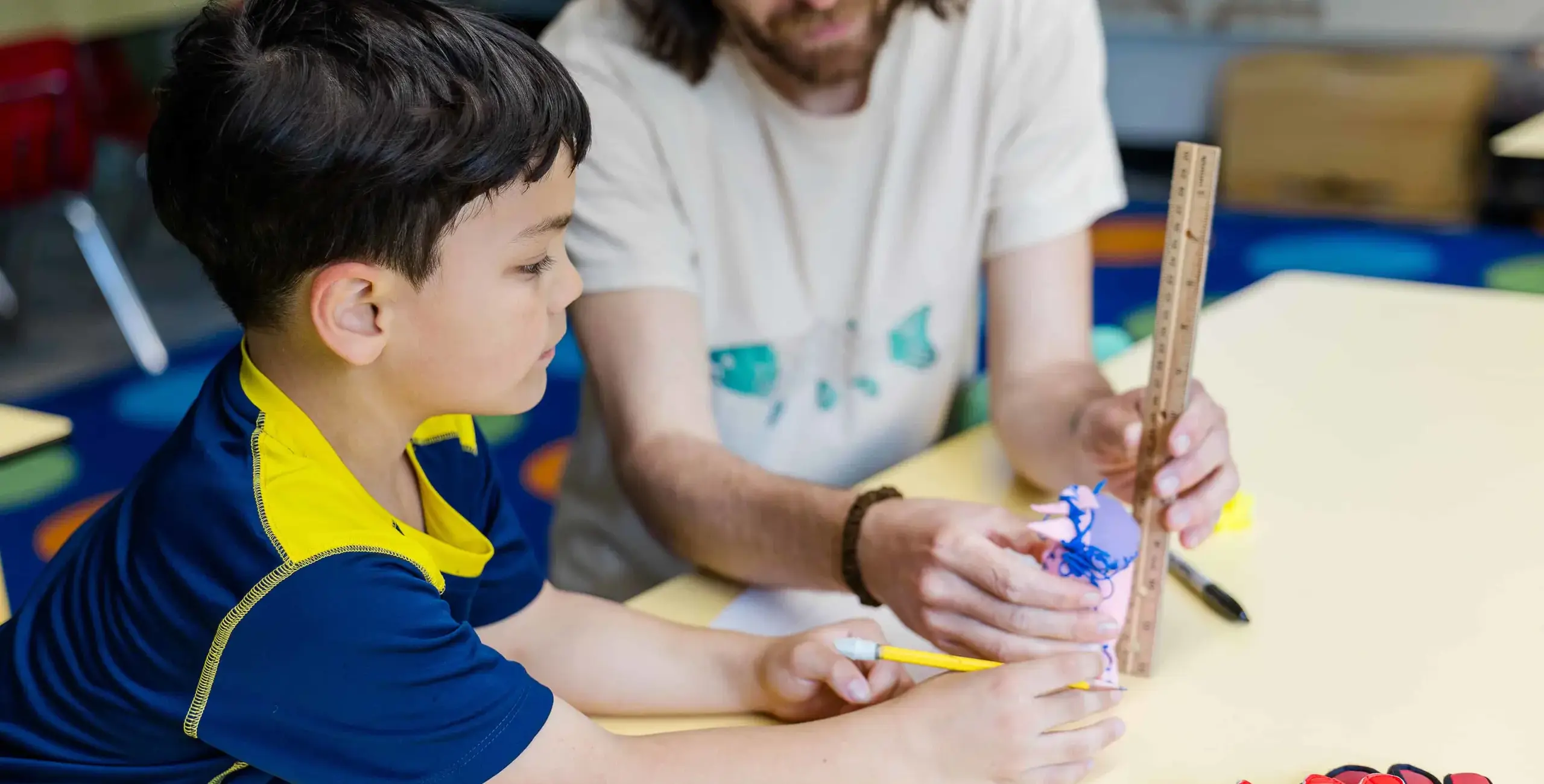
Math

Math instruction at Open Window begins one full grade level ahead, starting in kindergarten.  

We emphasize: 

  • Conceptual understanding over memorization 

  • Multiple strategies and problem-solving approaches 

  • Creative exploration of patterns, logic, and number sense 


Students work on problems with accessible entry points and high complexity, allowing for natural differentiation. A single lesson might lead one student to discover a new rule, while another uses it to explore algebraic graphing.

It's all part of learning to think like a mathematician. 
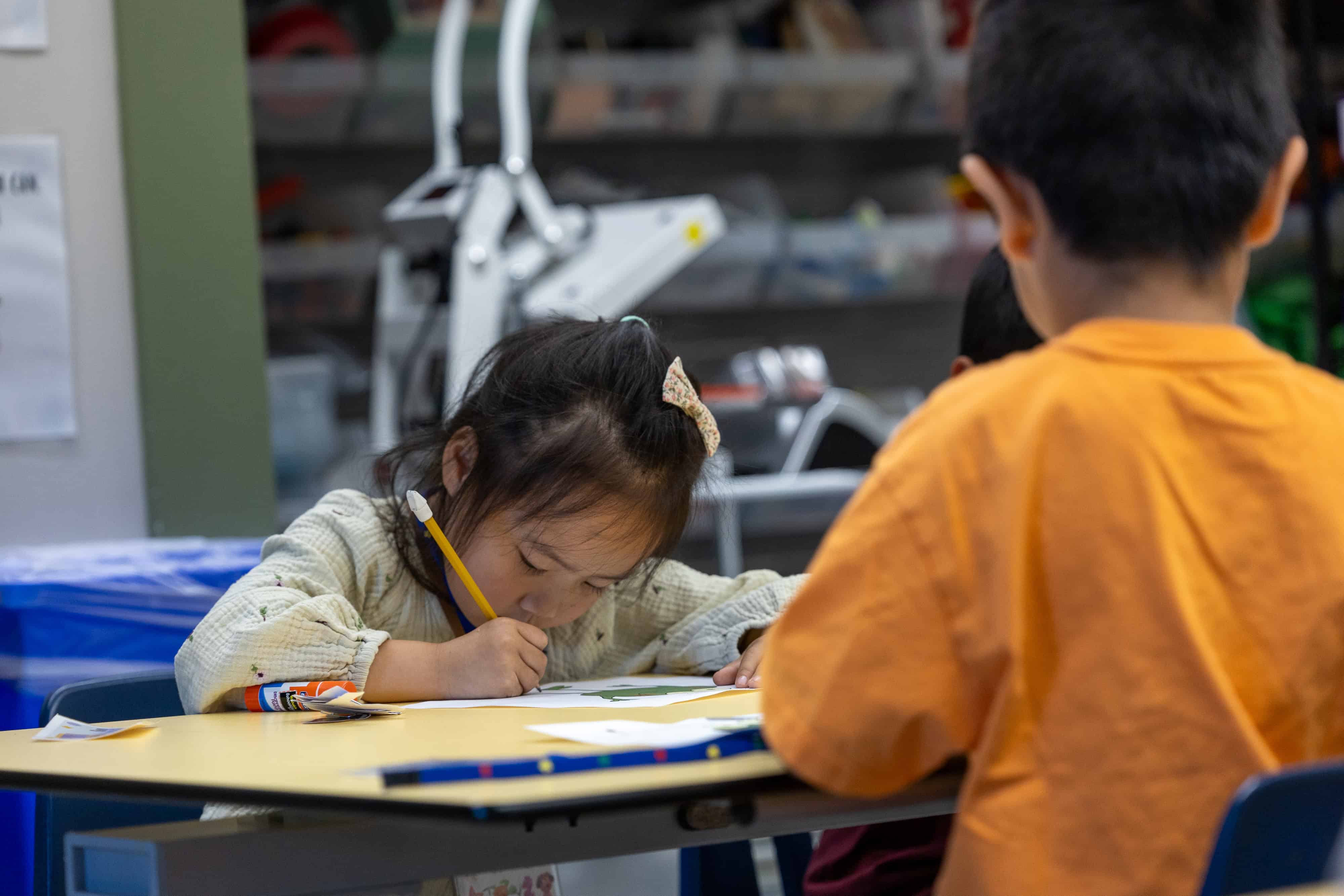
 

Student working on paper
Literacy 

Our reading and writing program is grounded in the science of how children learn language, with an added layer of support for the unique needs of gifted learners. 

In Lower School, students: 
  • Develop phonemic awareness and decoding skills 

  • Practice handwriting and learn cursive through Handwriting Without Tears 

  • Engage with rich, meaningful texts that grow in complexity 

  • Learn to express themselves through multiple genres of writing 


We integrate social-emotional learning to help students understand not just what they read, but how they think and feel about it. 
 

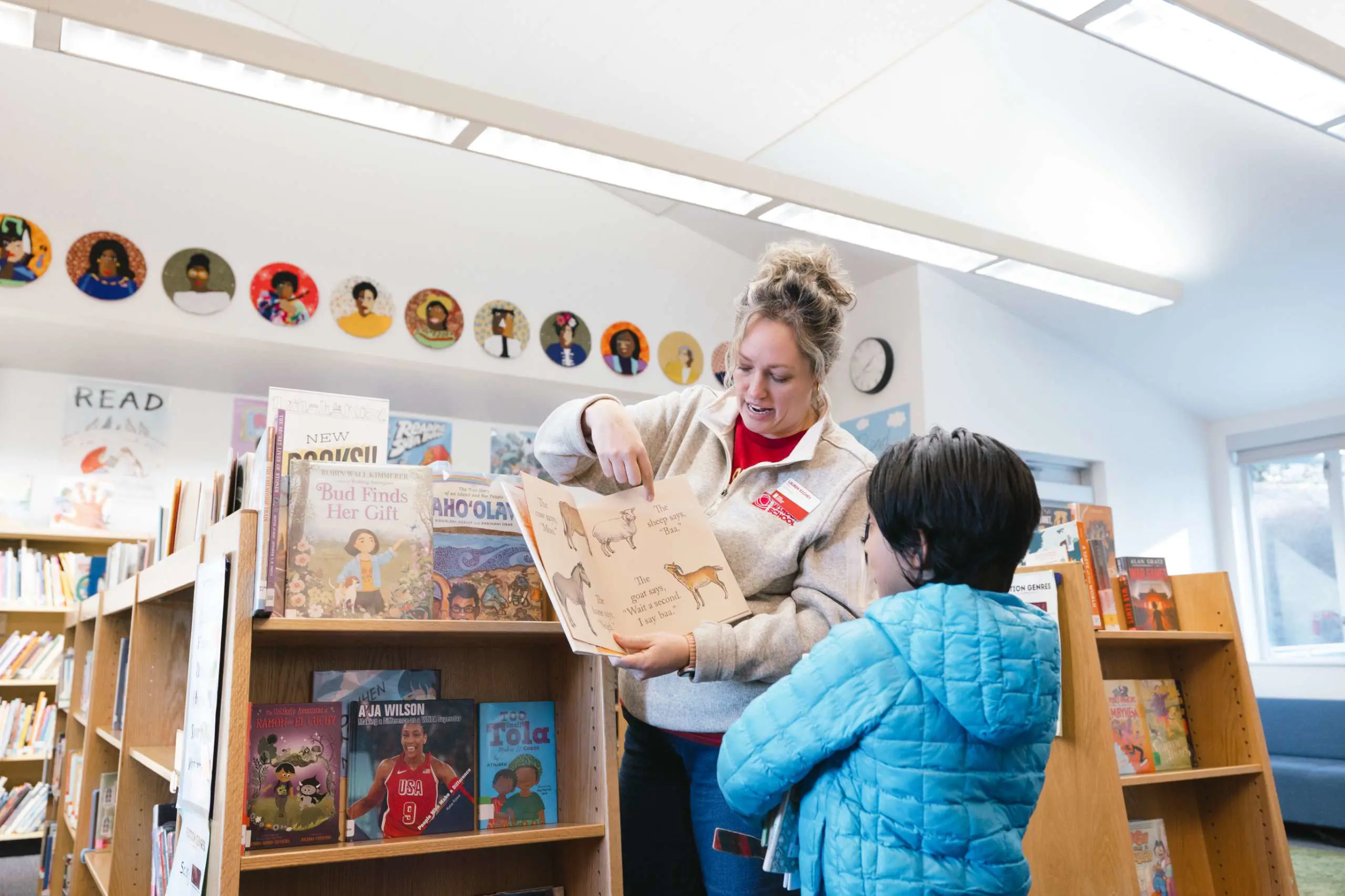
Student and teacher in library
Science

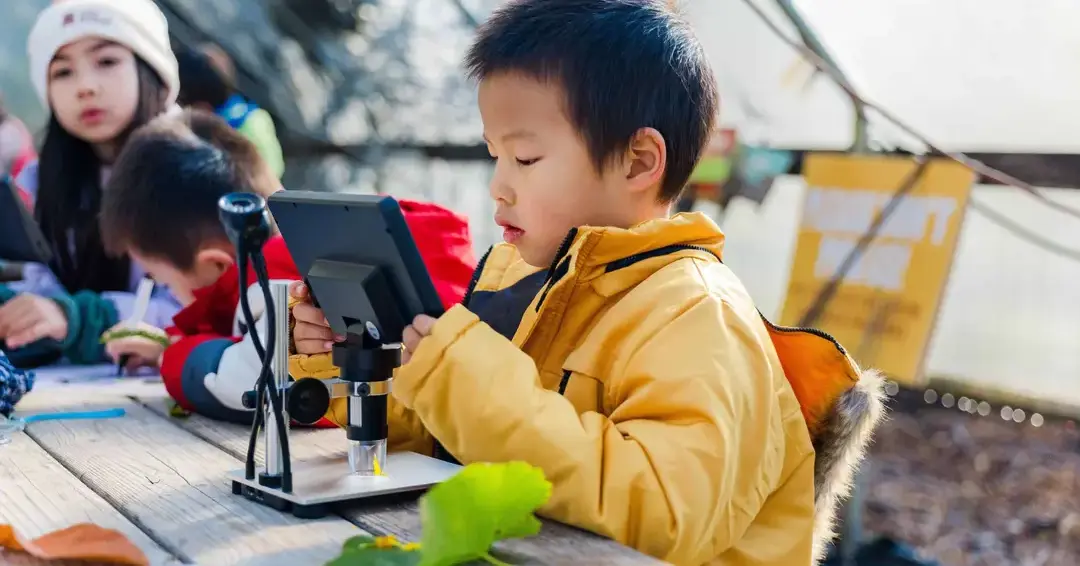
Lower School science is hands-on, inquiry-based, and filled with opportunities to explore the world up close. From life cycles to energy systems, our students observe, question, test, and discover. 

Science might look like: 
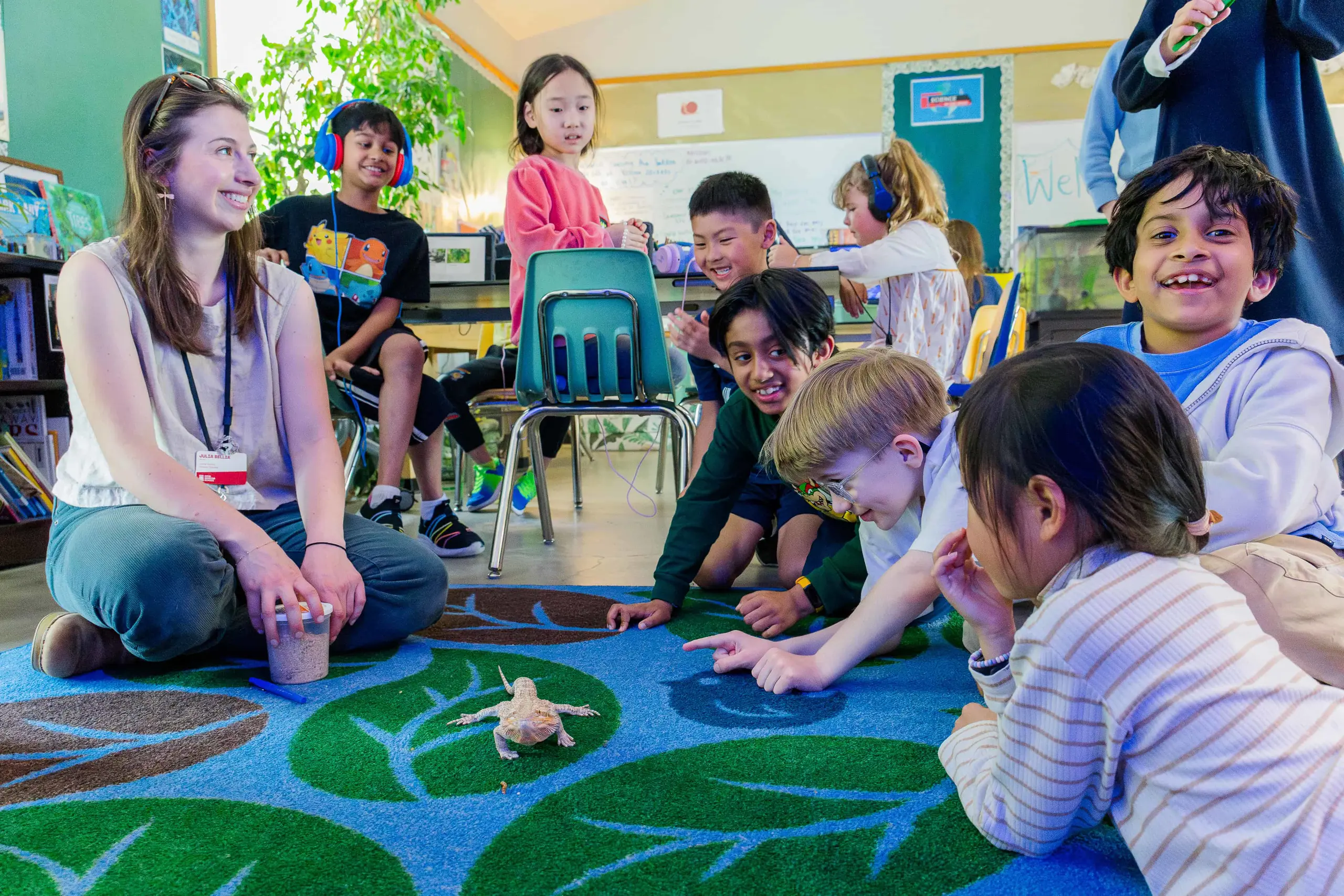
  • Spotting an earthworm on the playground and launching a class-wide investigation 

  • Testing the water quality in the fish tank to ensure the salmon fry your class is raising have a healthy environment 

  • Studying biomimicry by making observations of native plants in the science lab 


This is how we build scientific thinking: by making room for wonder, curiosity, and experimentation. 
 

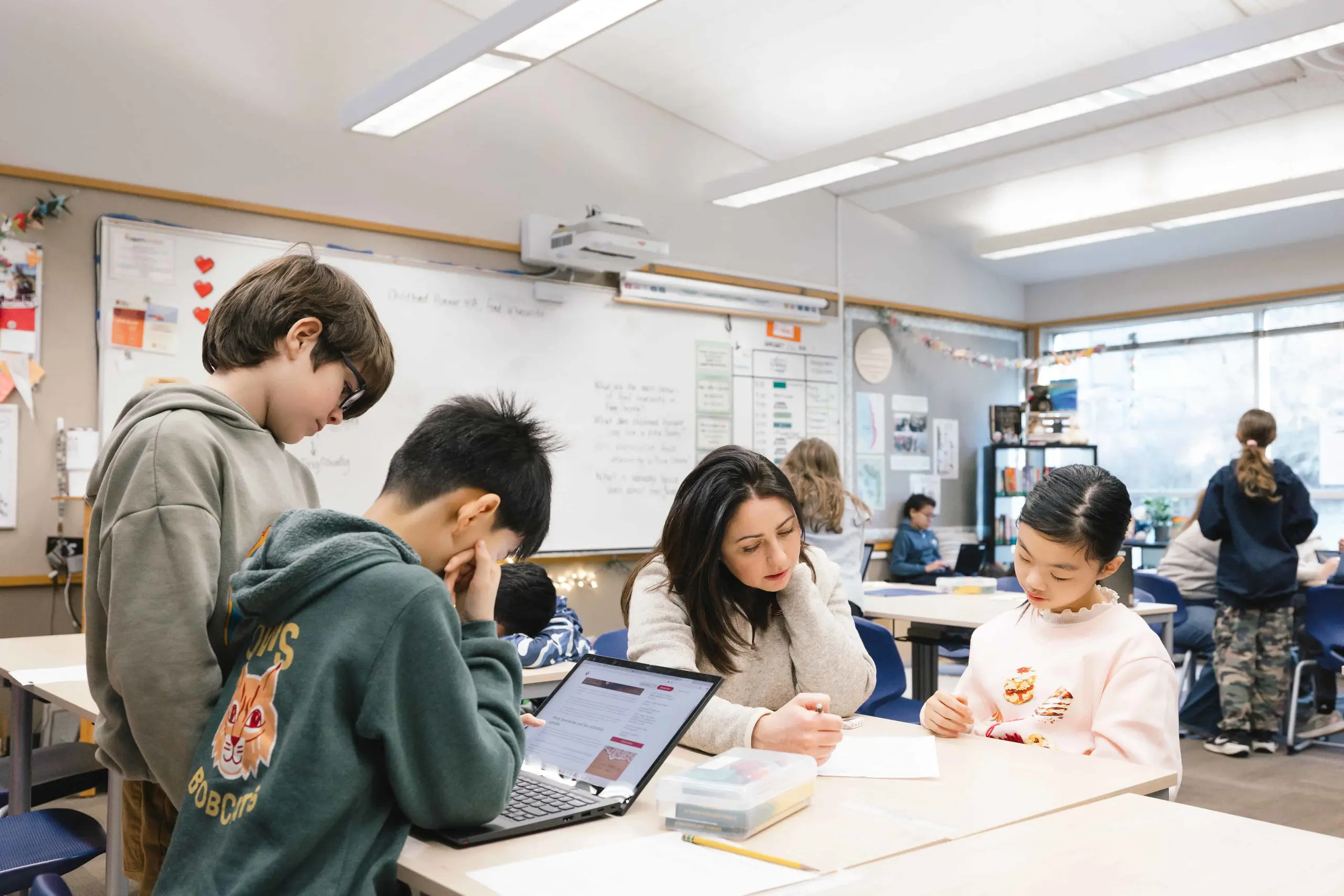
Student and teacher in class
Social Studies 

Social studies in Lower School starts with identity and expands outward, from families to communities, countries, and cultures. It’s deeply interdisciplinary and project-based. 

Each year brings a new theme: 

  • K: “All About Me” & the Kindergarten Parade 

  • 1st: “Part of the Family”  

Family Fest and cultural storytelling 

  • 2nd: “Cougar Mountain and Beyond”   

Building towns and running toy companies 

  • 3rd: “Learning About the US Through My Story”  

Immigration, U.S. monuments, and student-created spoken word poetry 
  • 4th: Washington State history and Indigenous studies 


These projects help students see themselves in the curriculum and understand their place in a broader world. 
 

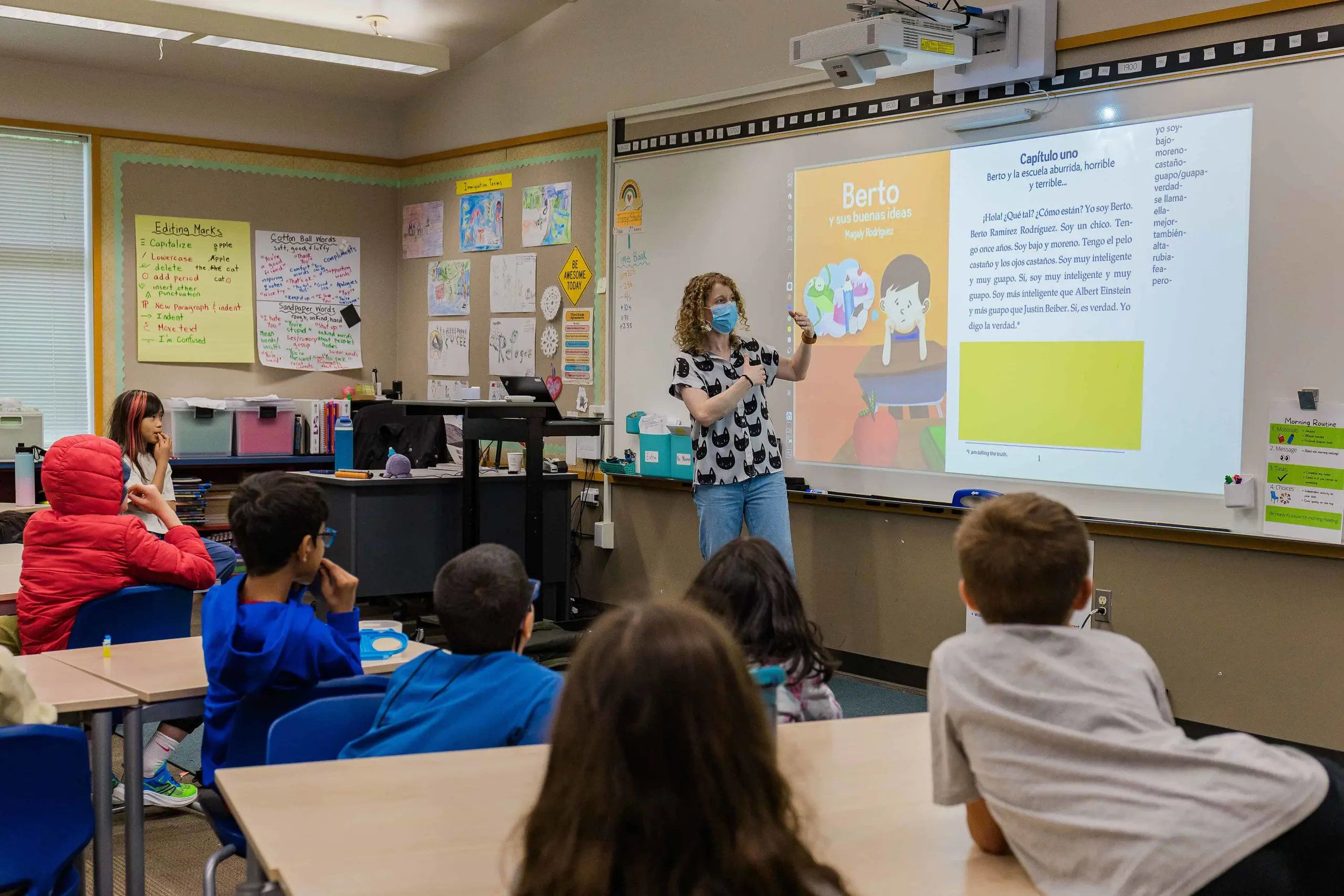
Students and teacher in class
Spanish 

Our Lower School Spanish program nurtures a love for language learning from the very start. 

Through storytelling, music, movement, and play, students build foundational skills in listening, speaking, reading, and writing while discovering how language connects us to people and cultures around the world. 
  • Grade K-1: Students explore familiar topics like animals, colors, weather, and family through immersive, story-driven units. 

  • Grades 2-4: Themes expand to include food, sports, music, and home life. By fourth grade, students begin reading and writing in Spanish and reflect on their own language growth using the Avant STAMP assessment. 
     

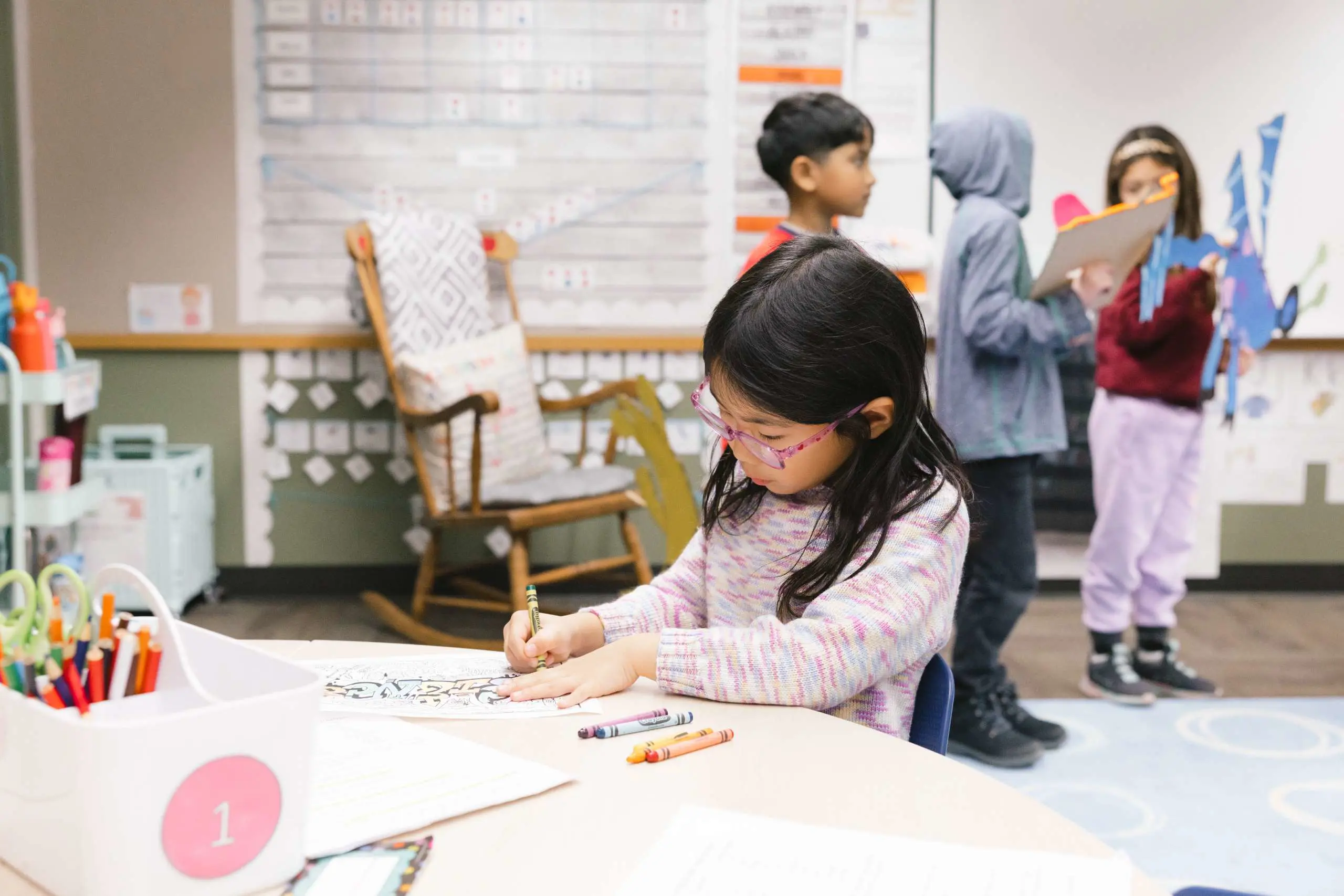
Students and teacher in art class
Art 

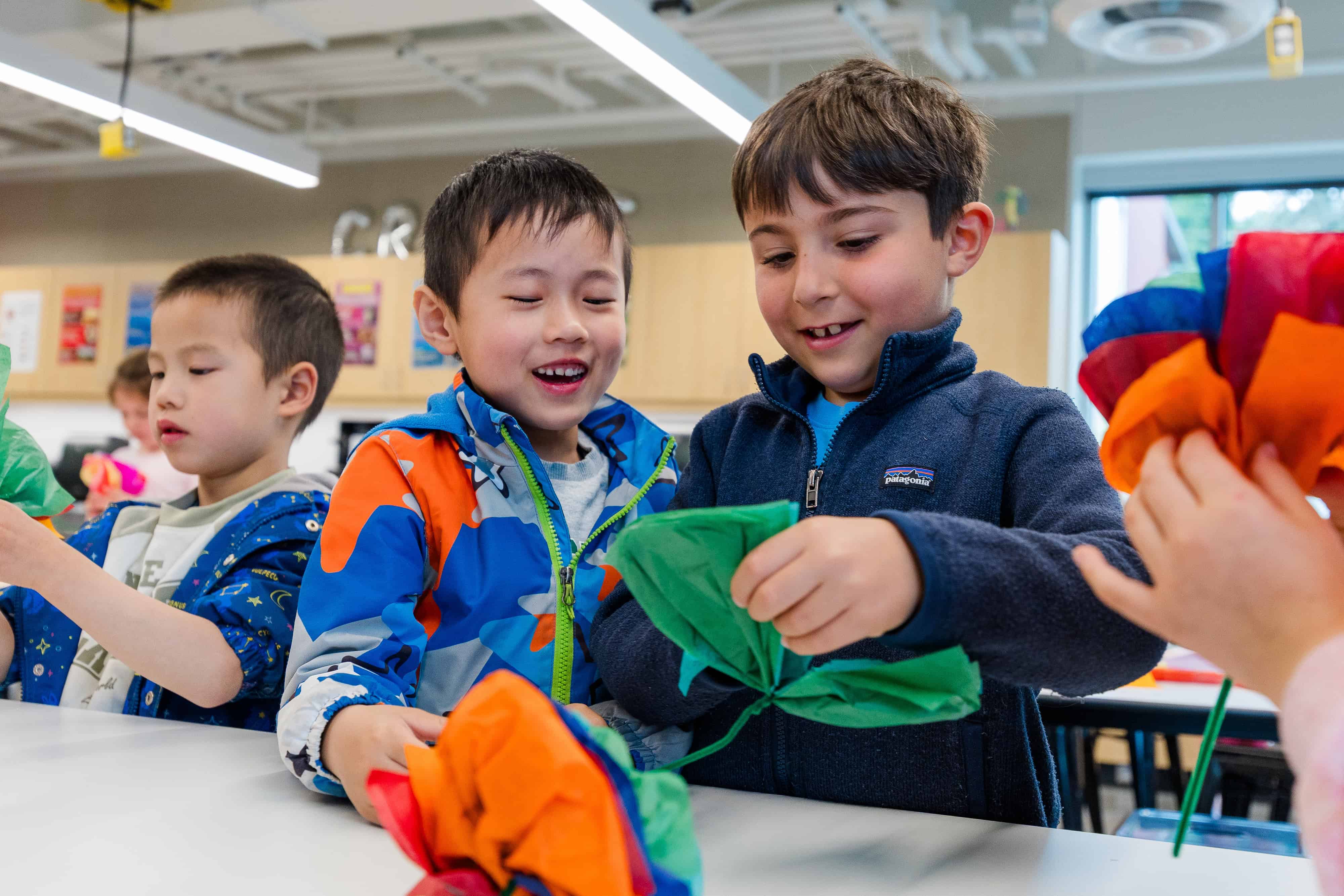
In our art studio, students are encouraged to experiment, take risks, and see themselves as artists. The focus is on process over perfection, helping students develop fine motor skills, creative expression, and a mindset of joyful exploration. 

Through exposure to a wide range of materials, techniques, and global artists, students learn: 
  • How to express their identity through visual media 

  • How to problem-solve when creative ideas don’t go as planned 

  • How to appreciate different perspectives and styles 


Art becomes both an outlet and an opportunity to build confidence, perseverance, and self-awareness. 
 

Students in art class
Technology 

Technology at Open Window is a hands-on, inquiry-driven approach that prepares students to be thoughtful creators and critical thinkers in a digital world. 

Using Code.org’s Computer Science Fundamentals curriculum, students learn: 
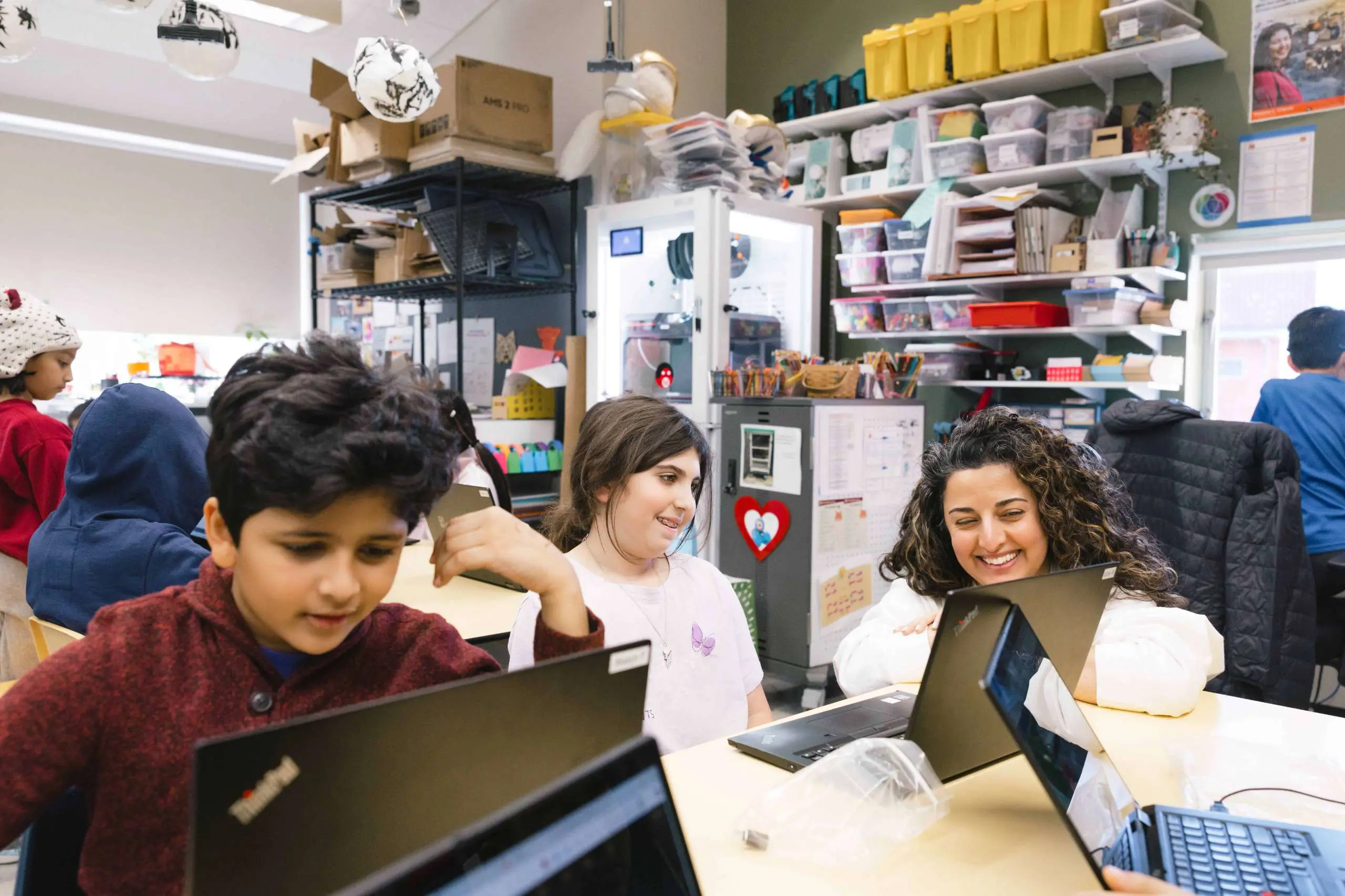
  • Core coding concepts like sequencing, algorithms, loops, and conditionals 

  • Robotics, unplugged activities, and online challenges 

  • About real-world computer science pioneers and how tech connects to identity, culture, and equity 


Each year builds on the last, giving students the tools to create with purpose and collaborate with care. 
 

Students on laptops
Physical Education 

Our physical education (PE) program builds strength, agility, and sportsmanship while also helping students develop emotional regulation, resilience, and teamwork. 

In Lower School, students: 
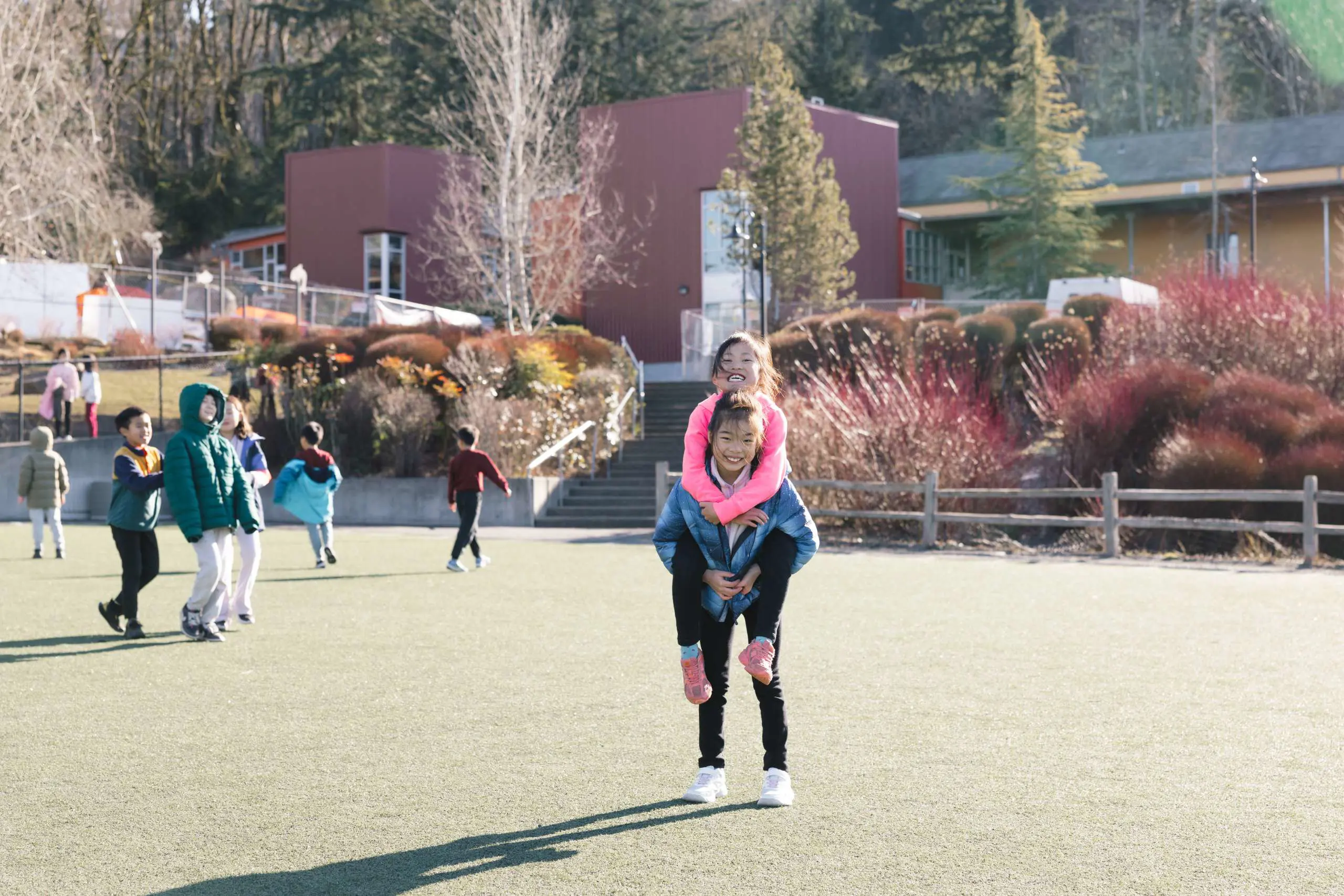
  • Practice a wide range of sports and activities like yoga, climbing, parkour, Gaga Ball, soccer, and jump rope 

  • Engage in mindfulness exercises to build self-awareness and focus 

  • Learn to challenge themselves at their own pace with our “challenge by choice” approach 


Whether they’re navigating a new game or practicing a familiar skill, students grow in confidence, coordination, and connection to their community. 
 

Students running and playing on playground
Library

The Library is both a vibrant hub and a quiet retreat. It is a place where students explore stories, dive into research, and become critical consumers of information. 

In Lower School, students: 
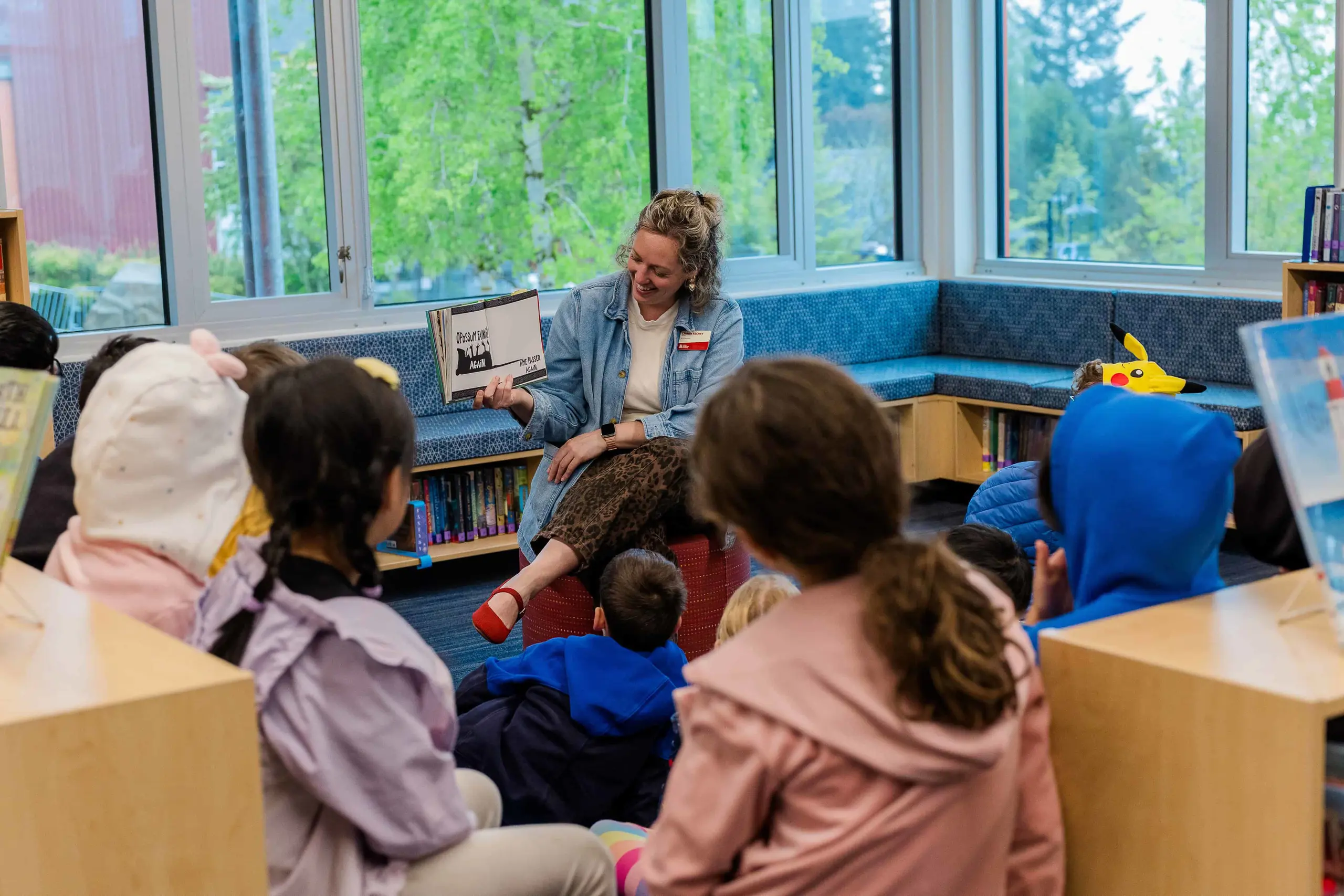
  • Build early research skills, from asking questions to finding reliable sources 

  • Discover a wide range of print and digital books curated for gifted readers 

  • Develop a lifelong love of reading through choice, exploration, and connection 


The library is open throughout the day for independent reading, collaborative work, or simply a cozy moment with a great book. 
 

Students in library

SOCIAL-EMOTIONAL GROWTH IS WOVEN IN 

Relationships matter in Kindergarten. Our classrooms are built on kindness, connection, and care. Social-emotional learning (SEL) is part of every day, helping students name their feelings, build friendships, and navigate challenges with support. 
 

Guided by homeroom teachers, our dedicated Lower School counselor, and student support team, Kindergarteners develop emotional tools that help them feel safe, known, and ready to learn. 
Explore SEL